Master Multi-Tasker

What Makes a Qualified Tradesman Different from a Handyman?

What Makes a Qualified Tradesman Different from a Handyman?

When you're searching for home repair services in Christchurch, you'll encounter both "handymen" and "qualified tradesmen." While these terms are sometimes used interchangeably, there are important distinctions that can affect the quality, legality, and safety of work performed on your property. As a Qualified Tradesman with 43 years of experience serving Christchurch suburbs from Ilam to Avonside, I can explain the differences and help you make an informed choice for your home maintenance needs.

Understanding the Terminology

What is a Handyman?

A handyman is generally someone who performs a variety of home maintenance and repair tasks. In New Zealand, the term isn't legally regulated, which means anyone can call themselves a handyman regardless of their training or experience.

Typical Handyman Work:

  • Basic carpentry (shelves, repairs)
  • Painting and touch-ups
  • Garden maintenance
  • Furniture assembly
  • Simple installations
  • General maintenance
Characteristics:
  • Often self-taught skills
  • May have experience in specific areas
  • Usually not formally certified
  • Generally handles smaller, non-technical jobs

What is a Qualified Tradesman?

A Qualified Tradesman has completed formal training, apprenticeships, and holds recognized certifications in their trade. In New Zealand, trades like electrical work, plumbing, and gas fitting require specific qualifications and licensing.

Qualified Tradesman Work:

  • Licensed electrical work
  • Plumbing and drainage
  • Gas fitting
  • Structural carpentry
  • Professional-level finishing
  • Complex problem-solving
Requirements:
  • Completed apprenticeship (typically 3-4 years)
  • Trade certification
  • Ongoing professional development
  • Often requires registration/licensing

The Legal Distinctions

Restricted Work in New Zealand

Certain types of work can only be performed by licensed professionals:

Electrical Work:

  • Must be done by licensed electrical workers
  • Includes most work beyond changing light bulbs
  • Certificate of Compliance required for significant work
  • Safety-critical and legally restricted
Plumbing:
  • Sanitary plumbing requires registration
  • Drainlaying needs certification
  • Some work restricted to licensed plumbers
  • Public health considerations
Gas Fitting:
  • Strictly licensed work
  • Safety-critical installations
  • Regular recertification required
  • Cannot be done by general handymen

What Handymen Can and Cannot Do

Allowed:

  • Minor carpentry not affecting structure
  • Painting and decorating
  • Basic tiling
  • Hanging pictures and mirrors
  • Furniture assembly
  • Garden maintenance
  • Installing shelves (non-load bearing)
Not Allowed (Licensed Work):
  • Most electrical installations
  • Plumbing connections to main supply
  • Gas appliance installation
  • Structural alterations
  • Work requiring building consent certification

Why Qualifications Matter

Safety Considerations

Electrical Safety:

  • Incorrect wiring creates fire hazards
  • Faulty installations can electrocute
  • Insurance may not cover unlicensed work
  • Legal liability issues
Plumbing Safety:
  • Cross-contamination risks
  • Pressure system failures
  • Water damage from improper connections
  • Health code violations
Structural Integrity:
  • Unqualified structural work compromises safety
  • Building code compliance required
  • Resale and insurance implications
  • Potential legal action

Quality and Accountability

Qualified Tradesman Standards:

  • Formal training in techniques and materials
  • Understanding of building codes
  • Professional insurance coverage
  • Warranty on workmanship
  • Recourse through professional bodies
Handyman Variability:
  • Skill levels vary dramatically
  • No standardized training
  • Limited accountability
  • May not carry appropriate insurance
  • Difficult to verify competence

The Master Multi Tasker Difference

Why I Emphasize "Qualified Tradesman"

I describe myself as a Qualified Tradesman because:

My Background:

  • Completed formal trade training
  • 43 years of practical experience
  • Continuous professional development
  • Multiple trade competencies
  • Proper insurance and licensing
My Capabilities: While I cannot perform restricted electrical, plumbing, or gas work (legally requires specific licenses), my qualifications allow me to:
  • Execute complex carpentry to professional standards
  • Coordinate with licensed specialists when needed
  • Understand building codes and requirements
  • Deliver work that meets or exceeds industry standards
  • Provide workmanship warranties

What "Qualified" Means for My Clients

Peace of Mind:

  • Work done correctly the first time
  • Understanding of structural implications
  • Professional finishing standards
  • Problem-solving based on solid training
  • Safe working practices
Quality Assurance:
  • 43 years of refined techniques
  • Knowledge of best materials for Christchurch conditions
  • Proper tool usage
  • Attention to detail
  • Pride in craftsmanship
Professional Communication:
  • Clear explanations of work needed
  • Honest assessment of what I can/cannot do
  • Coordination with licensed trades when required
  • Written quotes and documentation
  • Respect for your home and time

When You Need a Licensed Specialist

Knowing the Limits

I maintain professional relationships with licensed:

  • Electricians - for any electrical work
  • Plumbers - for water and drainage connections
  • Gas fitters - for any gas appliance work
  • Roofers - for major roof repairs
My Role:
  • Honest assessment of your needs
  • Referral to appropriate licensed professionals
  • Coordinating multiple trades for complex projects
  • Handling non-licensed aspects of projects

Complex Projects

Example: Kitchen Renovation

  • Licensed plumber: New sink and dishwasher connections
  • Licensed electrician: New outlets and lighting
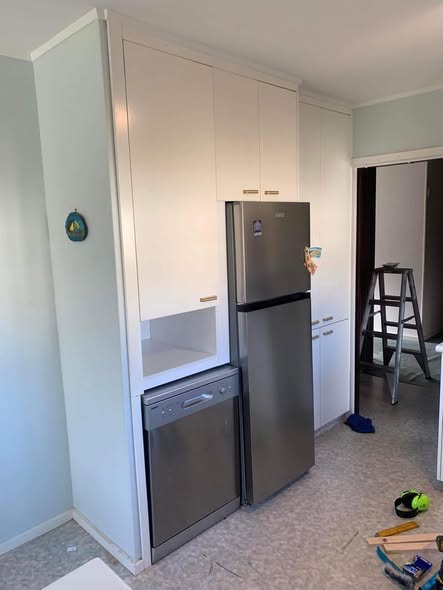
  • Me (Qualified Tradesman): Cabinet installation, benchtops, finishing
Benefits of This Approach:
  • Legal compliance
  • Insurance coverage
  • Quality assurance
  • Single point of coordination
  • Cost efficiency

Making the Right Choice

Questions to Ask

Before Hiring Anyone:

  1. What are your qualifications?
- Look for formal training and certifications - Ask about years of experience - Request references
  1. What insurance do you carry?
- Public liability essential - Professional indemnity for advice - Verify coverage amounts
  1. Can you provide references?
- Recent work examples - Similar project experience - Local references preferred
  1. What's your warranty policy?
- Workmanship guarantees - Material warranties - Response to issues
  1. Do you handle permits and compliance?
- Understanding of requirements - Willingness to organize permits - Knowledge of local regulations

Red Flags

Be Cautious If:

  • They won't discuss qualifications
  • Prices seem too good to be true
  • No insurance documentation
  • Pressure to skip permits
  • Unwilling to provide written quotes
  • No physical business address
  • Only accepts cash

The Value of Experience

43 Years of Learning

While qualifications provide the foundation, experience refines the craft:

Technical Evolution:

  • Materials and techniques change over decades
  • Continuous learning required
  • Adapting to new building methods
  • Understanding historical construction
Local Knowledge:
  • Christchurch's unique challenges
  • Post-quake building considerations
  • Local council requirements
  • Climate-specific solutions
Problem-Solving Library:
  • Seen virtually every scenario
  • Creative solutions to unique challenges
  • Efficient troubleshooting
  • Prevention of common mistakes

Cost Considerations

Understanding Pricing

Qualified Tradesman Rates:

  • Reflect training and experience
  • Include proper insurance costs
  • Cover quality materials
  • Account for professional standards
Cheap Handyman Risks:
  • May cut corners
  • Limited recourse if problems arise
  • Potential for costly mistakes
  • Safety concerns
The True Cost: Quality work often costs more upfront but:
  • Lasts longer
  • Prevents future problems
  • Maintains property value
  • Provides peace of mind

Conclusion

The distinction between a handyman and a Qualified Tradesman is important for Christchurch homeowners. While both have their place, understanding the difference helps you choose the right professional for your specific needs—ensuring safety, quality, and legal compliance.

At Master Multi Tasker, I bring 43 years of Qualified Tradesman experience to every job, along with the honesty to tell you when you need a licensed specialist for electrical, plumbing, or gas work. This approach protects you, your home, and your investment.

Need professional home maintenance?

Call Steve at Master Multi Tasker on 027 4086 199 for honest advice about your project. I'll tell you exactly what I can do as a Qualified Tradesman and when you'll need a licensed specialist. Serving all Christchurch suburbs with integrity and professional standards.

Qualified Tradesman. 43 years experience. Gold Card discount available. Honest assessments and professional workmanship.


Understanding the difference between qualified tradesmen and handymen in Christchurch. Make informed decisions about your home maintenance with guidance from Master Multi Tasker.